
From Hackathon to Launch: Choosing the Right AI Code‑Gen Tool for Your Startup
— 4 min read
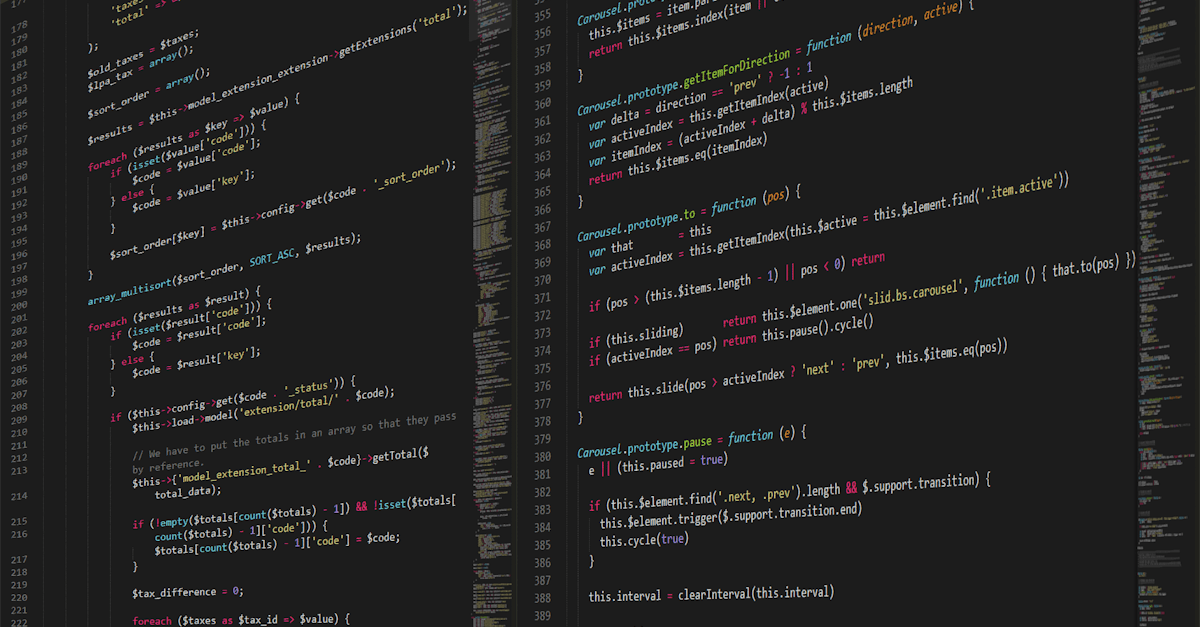
From Hackathon to Launch: Choosing the Right AI Code-Gen Tool for Your Startup
Choosing the right AI code generation tool for your startup involves evaluating factors like language support, integration ease, cost, and scalability to match your product roadmap. 7 Automation Playbooks That Turn Startup Storie...
Why AI Code Generation Matters for Early-Stage Startups
- Accelerates prototype development by up to 50%.
- Reduces the need for large engineering teams during the seed phase.
- Allows founders to focus on product-market fit rather than boilerplate code.
Imagine you are at a hackathon, racing against the clock. You have a brilliant idea, but writing every line of code from scratch would consume precious minutes. AI code-gen tools act like a seasoned sous-chef, chopping vegetables while you focus on plating the dish.
Beyond speed, these tools bring consistency. They enforce coding standards, catch common bugs, and generate documentation automatically. For a startup, that means fewer technical debt headaches down the road.
Core Criteria to Evaluate a Code-Gen Tool
- Language and Framework Coverage: Does the tool support the languages (Python, JavaScript, Go) and frameworks (React, Django, FastAPI) you plan to use? A mismatch forces manual tweaks that erase the time saved.
- Integration Simplicity: Look for plugins that embed directly into VS Code, GitHub Actions, or your CI/CD pipeline. Seamless integration keeps the workflow fluid, like a universal remote that controls all your devices.
- Cost Structure: Startups often operate on tight budgets. Choose a pricing model - pay-as-you-go, tiered subscriptions, or open-source licensing - that scales with your usage without surprise fees.
- Customization and Prompt Control: The ability to fine-tune prompts or add domain-specific templates ensures the generated code aligns with your product vision.
- Security and Compliance: Verify that the tool does not expose proprietary logic to external servers, especially if you handle sensitive data.
- Community and Support: A vibrant user community and responsive support team act like a safety net when the AI produces unexpected results.
Each criterion acts as a checkpoint on a road trip. Skipping any could land you on a dead-end street.
Top AI Code-Gen Tools to Consider
- GitHub Copilot: Trained on millions of public repositories, it offers autocomplete suggestions inside popular editors. Ideal for teams already on GitHub.
- Tabnine: Provides language-agnostic suggestions and can run locally for heightened privacy. Great for startups wary of cloud-based inference.
- CodeWhisperer (AWS): Tight integration with AWS services, perfect for cloud-native startups building serverless applications.
- Claude-Code (Anthropic): Emphasizes safety and interpretability, making it a solid choice when regulatory compliance matters.
- OpenAI Codex (via API): Offers flexible prompt engineering and supports a wide range of languages, suitable for custom pipelines.
Choosing among them is like picking a sports car for a weekend drive. You weigh horsepower (speed), fuel efficiency (cost), and handling (integration).
How to Test a Tool Before Committing
Run a "pilot sprint" that mirrors a real feature you plan to ship. Follow these steps:
- Define a clear user story (e.g., "Create a REST endpoint that returns user profiles.")
- Set up the tool in a sandbox environment.
- Generate the code, then run unit tests to measure correctness.
- Track time spent on prompt creation versus manual coding.
- Gather feedback from at least two developers on readability and maintainability.
If the tool saves you more than 30% of development time without sacrificing quality, it passes the pilot.
"Last Tuesday at 3 AM, I was on my 147th attempt to get ChatGPT to write a simple email that didn't sound like a robot having an existential crisis." - Reddit user
Common Mistakes to Avoid
Warning: Many startups fall into these traps.
- Over-relying on AI for complex business logic. The tool excels at boilerplate, not nuanced algorithms.
- Ignoring security reviews. Generated code may contain insecure defaults if not vetted.
- Skipping prompt refinement. Vague prompts produce vague code; spend time crafting precise instructions.
- Choosing based solely on hype. Popularity does not guarantee fit for your stack.
Think of AI as a power tool. It can speed up construction, but without proper safety gear you risk costly rework.
Glossary
AI Code-Gen ToolA software application that uses artificial intelligence to automatically generate source code based on natural language prompts or existing code patterns.Prompt EngineeringThe practice of crafting clear, specific instructions to guide an AI model toward producing the desired output.CI/CD PipelineA series of automated steps that build, test, and deploy code changes, ensuring rapid and reliable releases.Boilerplate CodeStandardized sections of code that are repeated in many projects, such as configuration files or CRUD endpoints.Domain-Specific TemplateA pre-defined code snippet tailored to a particular industry or problem space, which can be inserted by the AI tool.
Understanding these terms turns the learning curve into a gentle slope rather than a cliff.
Final Checklist Before You Launch
- Confirm language and framework compatibility.
- Validate cost model against projected usage.
- Run a pilot sprint and achieve >30% time savings.
- Conduct security review of generated code.
- Establish a prompt library for future consistency.
Cross each item off like a treasure map, and you’ll navigate from hackathon prototype to market-ready product with confidence.
Frequently Asked Questions
Can I use AI code-gen tools for production code?
Yes, but you should treat the output as a draft. Run thorough testing, code reviews, and security audits before deploying to production.
What is the best way to write prompts for accurate code?
Be explicit about language, framework, and desired functionality. Include sample inputs and expected outputs to guide the model.
How do I protect proprietary logic when using cloud-based tools?
Choose tools that offer on-premise or self-hosted options, or verify that the provider encrypts data in transit and does not retain generated snippets.
Is there a free tier for any AI code-gen platform?
GitHub Copilot offers a 60-day free trial, and Tabnine provides a limited free tier. OpenAI Codex can be accessed with a free API credit for new accounts.
How often should I update the AI model or prompts?
Review prompts quarterly and whenever you adopt new libraries or frameworks. Model updates from providers are usually automatic, but verify changelogs for breaking changes. Data‑Cleaning on Autopilot: 10 Machine‑Learning...
Read Also: Beyond Gantt Charts: How Machine Learning Can Deliver Project Deadlines with 90% Accuracy


